
Did you know that preventive medical care could save nearly 100,000 lives every year in the United States? It is a striking number that shows the immense power of prevention. Early detection is often the secret to a much faster recovery.
Many people skip their yearly visits until they actually feel sick. However, staying proactive ensures your loved ones remain strong throughout every stage of life. This guide makes tracking wellness milestones easy for your whole group.
Creating a consistent wellness schedule helps you stay organized throughout the year. You will learn exactly what to expect during physical exams and which screenings are vital. Proactive wellness is the best gift you can give your household.
These visits offer a great chance to discuss daily habits with a medical professional. These conversations often lead to better nutrition and lower stress levels.
Key Takeaways
- Identify common screenings for various age groups.
- Understand the role of preventive medical screenings.
- Learn how to organize important medical documents.
- Discover typical components of a physical exam.
- Recognize the importance of annual wellness visits.
- Prepare relevant questions for your medical provider.
Why Regular Health Checkups Matter for Your Family
A family’s health is its most valuable asset, and regular checkups are key to preserving it. By incorporating a consistent family health routine, you can ensure that every member stays healthy and addresses any potential issues early on.
Regular health checkups play a pivotal role in maintaining family wellness. They are not just about treating illnesses but also about preventing them. A well-structured preventive health plan for family can help in early detection and intervention, thereby reducing the risk of severe health complications.
The Role of Preventive Care in Family Wellness
Preventive care is the cornerstone of a healthy family. It involves measures taken to prevent diseases before they occur. Regular checkups allow healthcare providers to monitor health indicators, administer vaccinations, and provide guidance on healthy lifestyle choices. This proactive approach helps in maintaining overall family wellness.
Long-Term Benefits of Consistent Health Monitoring
Consistent health monitoring through regular checkups can have long-term benefits for the family. It helps in tracking growth and development in children, monitoring chronic conditions in adults, and managing age-related health issues in seniors. By doing so, it ensures that every family member remains healthy across their lifespan.
Cost Savings Through Early Detection
Early detection of health issues through regular checkups can lead to significant cost savings. When health problems are identified early, they are often less expensive to treat. This not only reduces healthcare costs but also minimizes the financial burden on the family.
By understanding the importance of regular health checkups and incorporating them into your family health routine, you can take a proactive approach towards a healthier future for your family.
Understanding Health Checkup Needs by Age Group
Different age groups within a family have distinct health checkup requirements, making it vital to tailor checkups accordingly. This tailored approach ensures that each family member receives the appropriate care at the right time, contributing to overall family wellness.
Infant and Toddler Checkup Requirements (0-3 Years)
Infants and toddlers require frequent health checkups, primarily for vaccinations and monitoring developmental milestones. These early checkups are crucial for identifying any potential health issues early on.
Vaccination Schedule and Developmental Milestones
A well-planned vaccination schedule is vital for protecting infants and toddlers from serious diseases. Regular checkups also monitor developmental milestones, ensuring that any delays or concerns are addressed promptly.

Preschool and Elementary Age Children (4-10 Years)
As children grow into preschool and elementary age, the focus of health checkups shifts towards monitoring growth and addressing any emerging health concerns. These checkups are essential for maintaining a family wellness calendar that is up-to-date and effective.
Adolescents and Teenagers (11-17 Years)
Adolescents and teenagers have unique health needs, including mental health support and guidance on lifestyle factors. Health checkups during this stage should be sensitive to these needs, providing a supportive environment for discussing concerns.
Adults (18-64 Years)
Adults should prioritize health checkups that focus on preventive care and managing any chronic conditions. Regular checkups can help in early detection and management of health issues, contributing to a healthier family.
Senior Family Members (65+ Years)
Senior family members require health checkups that monitor age-related health issues and maintain their quality of life. These checkups are vital for ensuring that seniors receive the care they need to stay healthy and independent.
Understanding and implementing the right health checkup frequency for family members across different age groups is key to maintaining a healthy and happy family.
Creating Your Family Health Checkup Schedule
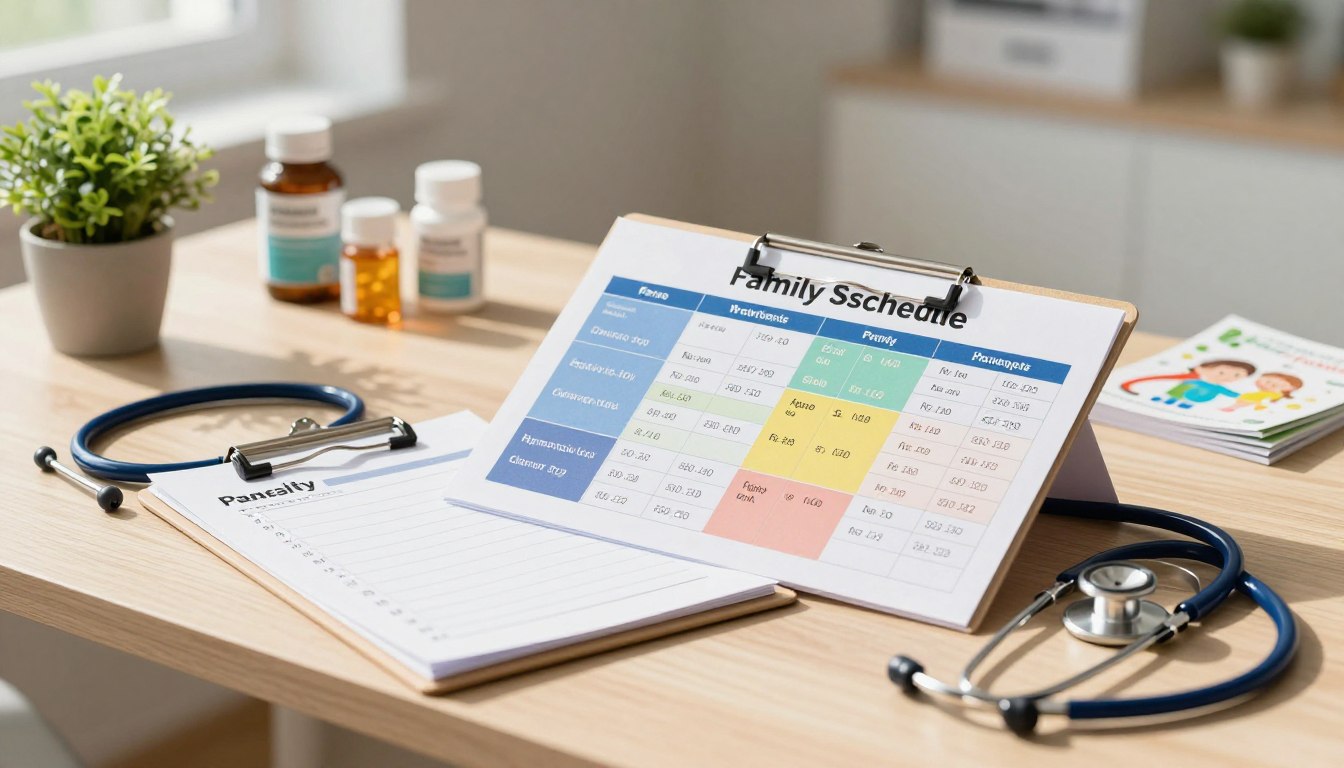
Creating a comprehensive family health screening timetable is essential for preventive care. This schedule helps ensure that every family member receives necessary checkups and screenings at the right time, promoting early detection and intervention when needed.
Mapping Out Annual Health Appointments
To start, it’s crucial to map out annual health appointments for each family member. This involves understanding the specific health needs of each individual based on their age, health status, and other factors.
Step 1: List All Required Checkups for Each Family Member
Begin by listing all the required checkups for each family member. This includes well-child visits for children, annual physicals for adults, and any specialized screenings recommended based on age, gender, or health history.
- Infants and toddlers need regular checkups for vaccinations and developmental assessments.
- Children and adolescents require annual checkups for monitoring growth and addressing any emerging health concerns.
- Adults should have annual physical examinations and screenings as recommended based on age and health status.
- Senior family members may need more frequent checkups to monitor chronic conditions and address age-related health issues.
Step 2: Prioritize by Frequency and Urgency
Once you have listed all required checkups, prioritize them based on frequency and urgency. Some checkups, like vaccinations for children, are time-sensitive and should be scheduled promptly.
- Identify the most critical checkups that cannot be delayed.
- Schedule these high-priority appointments first.
- Then, plan the less urgent checkups around the scheduled appointments.
Coordinating Multiple Family Members’ Schedules
Coordinating the schedules of multiple family members can be challenging, but there are strategies to make it more manageable.
Grouping Appointments When Possible
One effective strategy is to group appointments when possible. For example, scheduling checkups for multiple family members on the same day can save time and reduce the overall burden.
Choosing the right time of year for checkups can also help. For instance, scheduling checkups during less busy periods, such as avoiding the start of the school year or holiday seasons, can make it easier to get appointments at convenient times.
“Planning ahead is key to managing family health checkups effectively. By scheduling appointments in advance, you can ensure that everyone gets the care they need without last-minute scrambles.”
Setting Reminders and Planning Ahead
Finally, setting reminders and planning ahead are crucial steps in maintaining your family health checkup schedule. Use digital calendars or reminders on your phone to stay on track.
Key actions to take:
- Set reminders for upcoming checkups.
- Plan ahead for the next year’s checkups.
- Review and adjust the schedule as needed based on changes in family members’ health needs.
What to Expect During Different Types of Checkups
Knowing what to expect during different types of family medical checkups can significantly reduce anxiety and make the process more efficient. Various checkups are designed to cater to different age groups and health needs, ensuring comprehensive care for the whole family.
Well-Child Visits and Pediatric Examinations
Well-child visits are crucial for monitoring the growth and development of children. These visits typically include:
Physical Measurements and Growth Charts
During well-child visits, healthcare providers track a child’s growth using standardized growth charts. These charts help identify any potential growth issues early on.
Immunizations and Health Screenings
Immunizations are a critical component of well-child visits, protecting children from various diseases. Health screenings also help in early detection of potential health issues.
As noted by the American Academy of Pediatrics, “Regular well-child visits are essential for promoting healthy growth and development in children.”
“The early years of a child’s life are a period of rapid growth and development, and regular check-ups with a pediatrician are crucial for monitoring this growth and identifying any potential issues early.”
Adult Annual Physical Examinations
Annual physical examinations for adults are vital for maintaining overall health. These checkups generally include:
Vital Signs and Blood Work
Vital signs such as blood pressure and heart rate are monitored, and blood work is conducted to check for various health indicators.
Health Risk Assessment
A health risk assessment helps identify potential health risks based on family history, lifestyle, and other factors. This assessment enables healthcare providers to offer personalized advice and interventions.

Specialized Screenings by Age and Gender
As people age, certain health screenings become more relevant. For instance, mammograms for women over 40 and colonoscopies for adults over 50 are recommended. These screenings can help detect health issues early, when they are more treatable.
| Age Group | Recommended Screening | Frequency |
|---|---|---|
| Women 40+ | Mammogram | Annually |
| Adults 50+ | Colonoscopy | Every 10 years |
| Adults 20+ | Blood Pressure Check | Every 2 years |
Dental and Vision Checkups
In addition to medical checkups, regular dental and vision checkups are essential for overall health. Dental checkups help prevent oral health issues, while vision checkups ensure that any vision problems are identified and corrected.
By understanding what to expect during these different types of checkups, families can be better prepared and make the most out of their family medical appointments.
Preparing Your Family for Health Appointments
To ensure a smooth and productive experience, it’s essential to prepare your family for health appointments. A well-prepared family can make the most of their annual family health checkup, ensuring that all health concerns are addressed effectively.
Gathering Medical History and Documentation
One of the first steps in preparing for a health appointment is gathering all necessary medical history and documentation. This includes having the right information and paperwork readily available.
Insurance Cards and Identification
Ensure that you have all relevant insurance cards and identification documents. This helps in streamlining the check-in process and ensures that your healthcare provider has access to your insurance information.
Previous Test Results and Medication Lists
Collecting previous test results and maintaining an up-to-date list of medications is crucial. This information provides your healthcare provider with a comprehensive view of your health history, enabling them to make informed decisions.
Creating a List of Questions and Concerns
Before the appointment, it’s beneficial to create a list of questions and concerns you have regarding your family’s health. This list can help ensure that you don’t forget to discuss important issues during the appointment.
- Write down any symptoms or health concerns you’re experiencing.
- Note any questions you have about your health or treatment options.
- Mention any changes in your health or medication since your last visit.
What to Bring to Each Appointment
Knowing what to bring to each health appointment can make the process more efficient. Typically, you should bring your insurance cards, identification, a list of medications, and any relevant medical records or test results.
By being prepared, you can help ensure that your family’s health appointments are productive and that you receive the best possible care during your annual family health checkup.
Tracking and Maintaining Your Family Health Routine
A well-organized family health maintenance program is the backbone of a healthy household. It involves several key components that work together to ensure your family’s overall wellness.
Using Digital Tools and Health Apps
In today’s digital age, numerous tools and apps are available to help manage your family’s health. These can range from simple reminder apps for scheduling checkups to more complex health tracking applications that monitor various health metrics.
Some benefits of using digital tools include:
- Easy scheduling and reminders for appointments
- Centralized storage for health records and test results
- Ability to track health metrics over time
- Improved communication with healthcare providers
Organizing Medical Records for Each Family Member
Keeping medical records organized is crucial for quick access to information when it’s needed. This can be achieved through a combination of digital and physical filing systems.
Creating a Filing System That Works
To create an effective filing system, start by categorizing the types of documents you need to store, such as vaccination records, test results, and medical history. Then, decide on a digital or physical storage method that works best for your family.
Secure Storage for Sensitive Information
It’s essential to ensure that sensitive health information is stored securely. This can involve using encrypted digital storage solutions or locked filing cabinets for physical records.
Following Up on Test Results and Recommendations
After receiving test results or health checkup recommendations, it’s crucial to follow up with the necessary actions. This might involve scheduling additional appointments, starting new treatments, or making lifestyle changes based on the recommendations.
Key steps to follow up effectively include:
- Reviewing test results and recommendations with your healthcare provider
- Creating a plan to address any health concerns or recommendations
- Scheduling follow-up appointments as needed
- Tracking progress and adjusting the plan as necessary
Conclusion
By establishing a family health checkup schedule, families can prioritize their health and well-being. Regular health checkups play a vital role in maintaining overall health. Understanding the importance of these checkups and planning accordingly enables families to take proactive steps towards a healthier future.
Creating a schedule that meets the unique needs of each family member is crucial. This involves considering factors such as age, health status, and specific health requirements. By doing so, families can ensure they receive timely medical care and interventions.
A well-planned family health checkup schedule not only promotes health but also helps in early detection and prevention of diseases. It fosters a culture of health and wellness within the family, contributing to a better quality of life.