
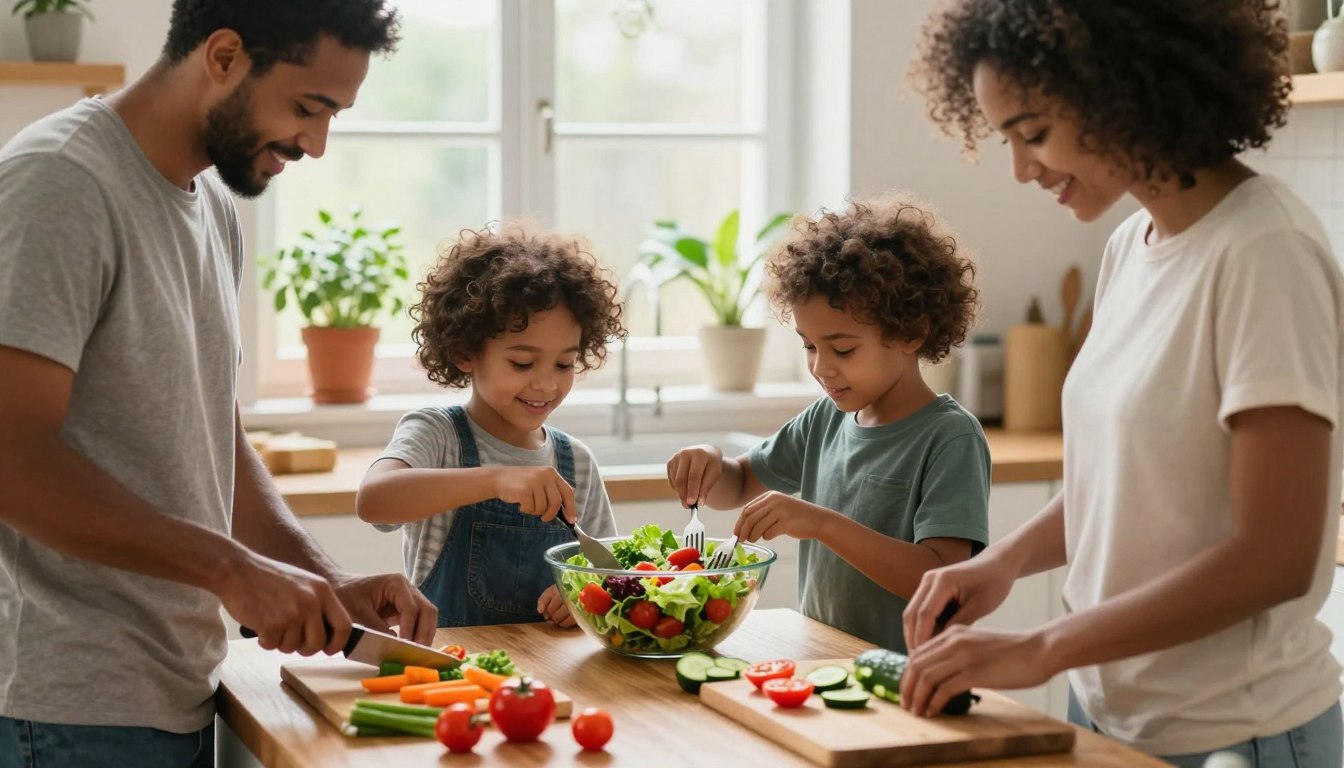
Did you know that kids who eat with their parents are nearly twenty-four percent more likely to pick nutritious meals? This simple act builds a strong foundation for long-term health. By creating a culture of wellness at home, you give your loved ones a gift that lasts for a lifetime.
Making positive changes does not have to feel like a chore. Small, steady steps can transform your kitchen into a place of joy. It is all about finding balance and making smart choices together every day.
Building family healthy food habits is a journey that starts with one small step. We have gathered five simple tips to help you nourish your household without the stress. Let us see how you can make your mealtime both fun and nutritious.
Key Takeaways
- Prioritize eating together to boost nutrition and bonding.
- Keep wholesome snacks ready and accessible for everyone.
- Involve the whole household in meal planning and prep.
- Model positive eating behavior to inspire your children.
- Focus on overall balance rather than following strict rules.
- Make the kitchen a happy and stress-free environment.
Why Building Healthy Eating Patterns Matters for Your Family
Promoting nutritious meals for families is essential for fostering a healthy lifestyle. Healthy eating patterns are fundamental to maintaining the overall health and well-being of family members. By adopting healthy eating habits, families can significantly reduce the risk of chronic diseases such as obesity, diabetes, and heart disease.
Nutritional Benefits
Healthy eating provides numerous benefits, including improved energy levels, better concentration, and a stronger immune system. A balanced diet rich in fruits, vegetables, whole grains, and lean proteins supports overall health. For instance, a diet high in fiber from whole grains and fruits can help prevent constipation and support healthy blood sugar levels.
Key Components of Healthy Eating
A healthy eating pattern typically includes a variety of foods from all food groups. It emphasizes whole, unprocessed foods like vegetables, fruits, whole grains, lean proteins, and healthy fats. Limiting the intake of ultra-processed foods and sugary beverages is also crucial.
| Food Group | Examples | Health Benefits |
|---|---|---|
| Fruits | Apples, Bananas, Berries | Rich in vitamins, minerals, and antioxidants |
| Vegetables | Broccoli, Carrots, Spinach | High in fiber, vitamins, and minerals |
| Whole Grains | Brown Rice, Quinoa, Whole Wheat Bread | Good source of fiber, B vitamins, and minerals |
By understanding the importance of healthy eating patterns and incorporating a variety of whole foods into their diets, families can take a significant step towards achieving better health and well-being.
1. Plan and Prep Family Meals Together
One of the most effective ways to build healthy family food habits is by planning and preparing meals together. This approach not only promotes healthy eating but also strengthens family bonds and creates lasting memories. By involving all family members in the meal planning and preparation process, you can ensure that everyone’s preferences are considered and that mealtime becomes a positive experience for all.
Create a Weekly Meal Planning Routine
Developing a weekly meal planning routine is a great starting point. This involves setting aside time each week to plan out your meals for the next few days or the entire week. Consider your family’s schedule, dietary needs, and preferences when selecting meals. You can use a planner, app, or whiteboard to keep track of your meal plans and make adjustments as needed.
Making meal planning a habit can help reduce stress around mealtime and ensure that you’re providing healthy, balanced meals for your family. It’s also a good idea to involve your children in the planning process, asking for their input on meal ideas and encouraging them to help with grocery lists.
Involve Children in Age-Appropriate Food Preparation
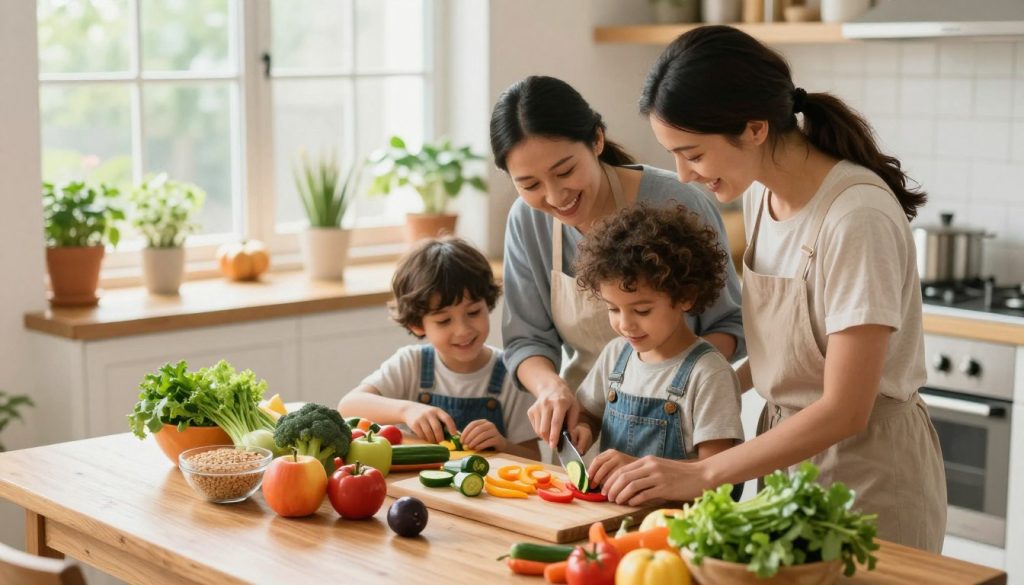
Involving children in food preparation is not only a great way to teach them important life skills, but it also makes them more invested in the meals they’re helping to prepare. Start with simple tasks that are appropriate for their age and skill level, such as washing vegetables, mixing ingredients, or assembling simple dishes.
As children get older, they can take on more complex tasks, such as cooking simple meals or helping with meal planning. This not only helps to distribute the workload but also fosters a sense of responsibility and independence in the kitchen.
Use Batch Cooking and Meal Prep Strategies
Batch cooking and meal prep are excellent strategies for busy families. By cooking meals in bulk and preparing ingredients in advance, you can save time during the week and ensure that healthy meals are always available.
- Choose recipes that can be easily scaled up or that freeze well.
- Set aside a day for batch cooking and meal prep.
- Use containers to portion out meals and keep them organized.
By implementing these strategies, you can make healthy eating a sustainable and enjoyable part of your family’s lifestyle.
2. Establish Consistent Mealtime Routines and Boundaries
Creating a structured mealtime environment can significantly improve family health through better food choices. Establishing consistent mealtime routines and boundaries is essential for promoting healthy eating habits. This involves setting regular meal and snack times, creating a distraction-free eating environment, and making family dinners a non-negotiable priority.
Set Regular Meal and Snack Times
Setting regular meal and snack times helps regulate appetite and metabolism, reducing the likelihood of overeating or making unhealthy snack choices. By establishing a routine, family members can better understand when it’s time to eat and when it’s time to stop, promoting a healthier relationship with food.
For example, having set times for breakfast, lunch, dinner, and snacks can help maintain a balanced diet. This consistency also helps in planning meals and grocery shopping, making it easier to stick to healthy eating goals.
Create a Distraction-Free Eating Environment
Creating a distraction-free eating environment is crucial for encouraging mindful eating. This means turning off the TV, putting away electronic devices, and minimizing conversations about stressful or unpleasant topics during meals.
A distraction-free environment allows family members to focus on their food, enjoy the taste and texture, and recognize when they are full, reducing the risk of overeating.
Make Family Dinners a Non-Negotiable Priority
Making family dinners a priority can have a significant positive impact on family health and relationships. It provides an opportunity for family members to bond, share experiences, and model healthy eating behaviors.
By prioritizing family dinners, parents can demonstrate positive eating habits and create a supportive environment where children are more likely to try new foods and develop healthy eating habits.
Here’s an example of how a family can structure their mealtime routine:
| Meal/Snack | Time | Tips |
|---|---|---|
| Breakfast | 7:00 AM | Include protein and whole grains |
| Lunch | 12:00 PM | Pack healthy snacks for on-the-go |
| Dinner | 6:00 PM | Make it a family dinner priority |
| Snacks | 3:00 PM & 8:00 PM | Choose fruits, nuts, or veggie sticks |
3. Stock Your Kitchen with Nutritious Options
Creating a healthy kitchen environment is crucial for fostering healthy eating habits in families. The availability of nutritious food options at home significantly influences the dietary choices of family members. By stocking your kitchen with wholesome foods, you can encourage healthier eating patterns and support the well-being of your family.
Build a Healthy Pantry with Whole Food Staples
A well-stocked pantry is the backbone of a healthy kitchen. It should be filled with whole food staples that provide the foundation for nutritious meals. Whole grains like brown rice, quinoa, and whole-wheat pasta are excellent sources of fiber and essential nutrients.
In addition to whole grains, your pantry should include a variety of canned goods such as beans, tomatoes, and tuna. These items are not only convenient but also rich in nutrients and can be used in a multitude of dishes.
| Whole Food Staples | Nutritional Benefits | Sample Uses |
|---|---|---|
| Brown Rice | Rich in fiber, manganese, and selenium | Side dishes, stir-fries |
| Canned Beans | High in protein, fiber, and folate | Soups, salads, stews |
| Whole-Wheat Pasta | Good source of fiber and B vitamins | Pasta dishes, casseroles |
Keep Fresh Fruits and Vegetables Visible and Accessible
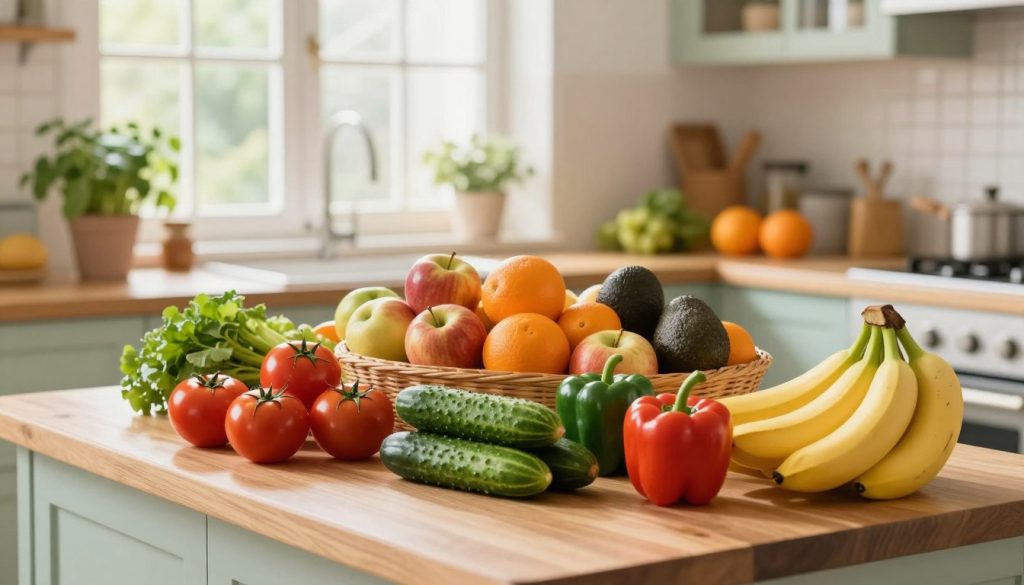
Fresh fruits and vegetables are essential components of a healthy diet. Keeping them visible and accessible encourages family members to snack on them throughout the day. Visible placement in the kitchen, such as a fruit bowl on the counter, can significantly increase their consumption.
Reduce Ultra-Processed Foods and Sugary Beverages
Reducing the availability of ultra-processed foods and sugary beverages is crucial for promoting healthy eating habits. These items are often high in unhealthy fats, added sugars, and sodium, contributing to various health issues when consumed excessively.
By limiting these unhealthy options and focusing on whole, nutrient-dense foods, you can create a kitchen environment that supports the health and well-being of your family.
4. Model Positive Eating Behaviors as Parents
Modeling healthy eating behaviors is one of the most effective ways parents can encourage their children to develop good food habits. By demonstrating positive eating behaviors, parents can significantly influence their children’s food preferences and eating habits. This section will explore how parents can model healthy eating behaviors daily.
Demonstrate Balanced Food Choices Daily
Parents should strive to maintain a balanced diet, showing their children that a variety of foods can be enjoyed. This includes eating a range of fruits, vegetables, whole grains, lean proteins, and healthy fats. A balanced diet is not about perfection but about making healthy choices most of the time.
Show Enthusiasm for Trying New Foods
Being open to trying new foods is a valuable trait that parents can model for their children. When parents show excitement about exploring different cuisines or flavors, it encourages children to be more adventurous with their food choices. Exploring new foods together as a family can be a fun and engaging way to expand your children’s palates.
Avoid Negative Food Talk and Diet Mentality
It’s crucial for parents to avoid negative talk about food or their bodies, as this can lead to unhealthy relationships with food for their children. Fostering a positive atmosphere during meals, where all foods are accepted, helps children develop a healthy attitude towards eating.
| Behavior | Impact on Children |
|---|---|
| Positive food talk and variety | Encourages openness to new foods and healthy eating habits |
| Negative food talk and dieting | Can lead to unhealthy eating habits and body image issues |
| Restrictive eating | May result in overeating or obsession with restricted foods |
5. Build Family Healthy Food Habits Through Education and Exploration
Building healthy food habits in your family can be achieved through a combination of education and culinary exploration. By teaching your children about nutrition and involving them in the process of meal planning and preparation, you can foster a positive relationship with food that will last a lifetime.
Teach Kids About Nutrition in Engaging Ways
Teaching children about nutrition doesn’t have to be boring. You can make it engaging by using interactive tools such as nutrition charts, cooking games, and hands-on activities like planting a home garden. Making nutrition education fun is key to capturing their interest and helping them understand the importance of healthy eating.
For example, you can create a “rainbow plate” challenge where kids have to fill their plates with a variety of colorful fruits and vegetables. This not only teaches them about different food groups but also about the importance of eating a balanced diet.
Explore Different Cuisines and Flavors as a Family
Exploring different cuisines is a great way to introduce your family to new flavors and nutritional benefits. You can start by trying out recipes from various cultures, such as making sushi together as a family or cooking a traditional Indian or Italian meal. This culinary exploration can broaden their palate and encourage them to be more adventurous with their food choices.
Visiting ethnic restaurants or attending cooking classes together can also be a fun and educational experience. It exposes your family to a wide range of flavors and cooking techniques, making mealtime more exciting and engaging.
Visit Farmers Markets and Involve Kids in Grocery Shopping
Involving your kids in grocery shopping can help them understand where their food comes from and the importance of supporting local farmers. Visiting farmers markets is a great way to introduce them to fresh, seasonal produce and teach them about the benefits of eating locally sourced food.
By letting them help with meal planning and grocery shopping, you’re not only teaching them about nutrition but also giving them a sense of responsibility and ownership over their food choices. This can be a valuable learning experience that extends beyond the grocery store, influencing their eating habits for years to come.
Overcoming Common Challenges When Changing Family Eating Habits
The path to fostering healthy eating habits in families is often fraught with challenges, but these can be surmounted with the right approach. As families strive to improve their eating habits, they may encounter several common obstacles. Understanding these challenges and having strategies to overcome them is crucial for success.
Strategies for Dealing with Picky Eaters
Dealing with picky eaters is a common challenge many families face. One effective strategy is to involve children in the meal planning and preparation process. This can help them feel more invested in trying new foods. Offering a variety of healthy options and allowing children to choose between them can also encourage more adventurous eating.
Another approach is to gradually introduce new foods alongside familiar ones. This can help picky eaters become accustomed to new flavors and textures without feeling overwhelmed. It’s also important for parents to model healthy eating behaviors themselves, as children often mimic their parents’ food choices.
Solutions for Managing Busy Family Schedules
Busy schedules can significantly impact a family’s ability to maintain healthy eating habits. One solution is to plan and prepare meals in advance. Setting aside time on the weekends to prepare meals for the week can save time during busy weekdays and ensure that healthy options are always available.
Using a slow cooker is another effective strategy for managing busy schedules. Slow cookers allow families to prepare healthy meals that simmer throughout the day, ready to be served at dinnertime. This can be particularly helpful on days when time is scarce.
Tips for Handling Resistance to Change
Resistance to change is a natural response, especially when it comes to food preferences. One tip for handling this resistance is to introduce changes gradually. Suddenly switching to a completely new diet can be daunting and may lead to resistance.
Another tip is to make mealtime a positive experience. Turning off the TV, engaging in conversation, and enjoying meals together as a family can create a positive atmosphere around eating. This can help family members be more open to trying new foods and adopting healthier eating habits.
Conclusion
Establishing healthy family food habits is a journey that requires effort and commitment, but the benefits are numerous and long-lasting. By implementing the 5 tips outlined in this article, families can take significant steps towards creating a culture of wellness at home.
By planning and preparing meals together, setting consistent mealtime routines, stocking nutritious food options, modeling positive eating behaviors, and educating children about healthy eating, families can foster a supportive environment that promotes overall well-being.
As families start this journey, they will not only develop healthier eating habits but also create lasting memories and strengthen their relationships. By making healthy choices a part of daily life, families can enjoy the many rewards that come with a balanced lifestyle.
Start your journey today and watch your family thrive in a culture of wellness at home.