
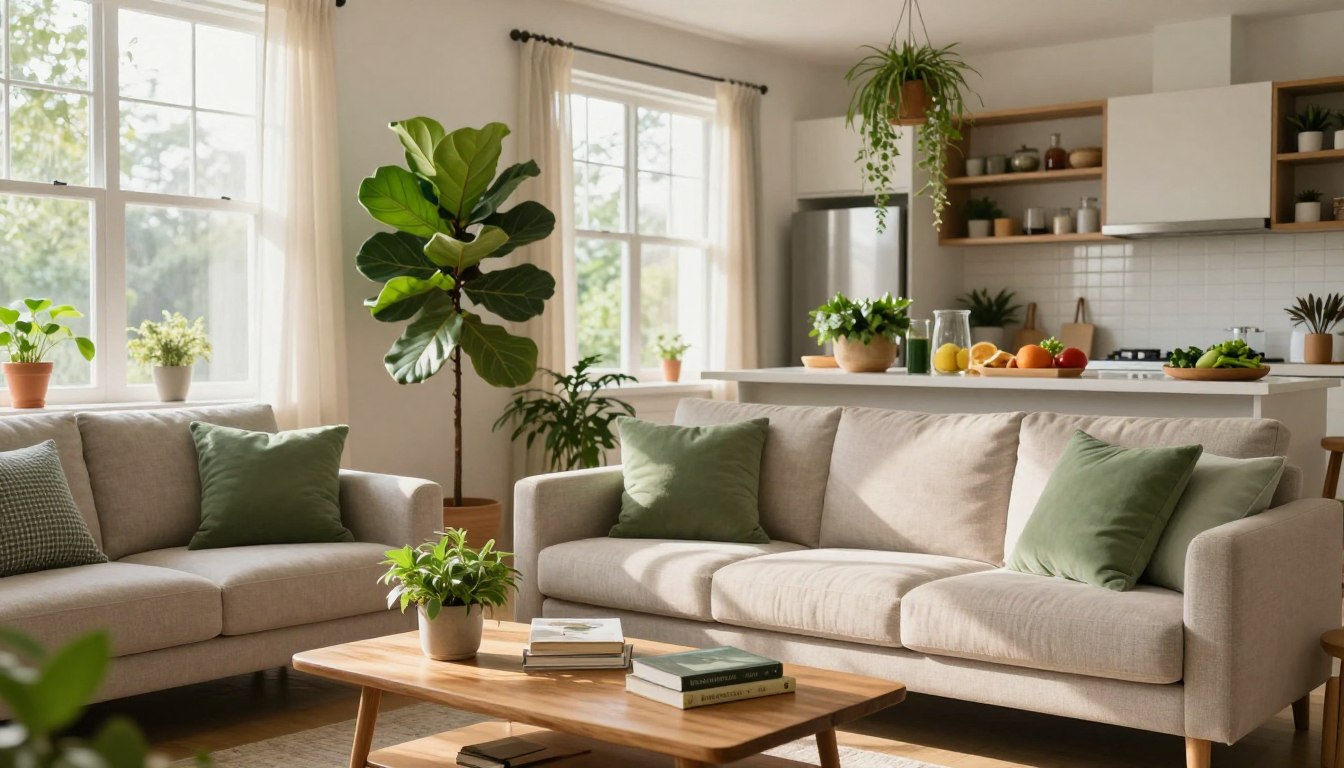
Statistics show that indoor air can be five times more polluted than the air outside. Since most people in the United States spend nearly 90% of their day inside, this reality makes your living environment more important than ever.
Creating a better way of living goes beyond just cleaning the floors or dusting the shelves. It involves mindful choices that protect your family and improve your overall well-being every single day.
Small adjustments to your daily routine can lead to significant improvements in your home health. This guide explores how you can transform your residence into a peaceful sanctuary that supports physical and mental wellness.
Key Takeaways
- Understand how indoor air quality affects your family.
- Prioritize natural lighting to boost mood and energy.
- Remove hidden toxins from your personal space.
- Create organized areas to improve mental focus.
- Implement simple habits for better daily wellness.
- Improve your living environment through small changes.
1. Assess Your Current Living Environment
A healthy home starts with a thorough assessment of your living environment. This initial step is crucial for identifying areas that need improvement to enhance your overall well-being.
Conduct a Comprehensive Home Health Audit
To understand the current state of your home, it’s essential to conduct a comprehensive home health audit. This involves checking various aspects of your living space.
Check for Visible Issues
Start by looking for visible signs of wear and tear, such as water damage, mold, or structural issues. These visible problems can often indicate more significant underlying issues that need to be addressed.
Test Air and Water Quality
In addition to visible inspections, testing the indoor air quality and water quality is vital. Poor air quality can lead to respiratory issues, while contaminated water can pose serious health risks.
Identify Your Priority Areas for Improvement
Once you’ve gathered information about your home’s condition, identify your priority areas for improvement. Focus on the issues that will have the most significant impact on your health and well-being, such as improving indoor air quality or addressing water contamination.
By prioritizing these areas, you can create a targeted plan to enhance your living environment, making it a healthier and more comfortable space for you and your family.
2. Improve Your Indoor Air Quality
To breathe easy, it’s essential to enhance the air quality within your home. Indoor air quality plays a critical role in maintaining a healthy lifestyle. Poor air quality can lead to various health issues, including respiratory problems and allergies.
Install High-Quality Air Purification Systems
One of the most effective ways to improve indoor air quality is by installing high-quality air purification systems. These systems can significantly reduce airborne pollutants and allergens.
Choose HEPA Filter Air Purifiers
When selecting an air purifier, opt for one with a HEPA filter, known for capturing 99.97% of particles as small as 0.3 microns. This includes dust, pollen, and other harmful particles.
Position Units Strategically
Place air purifiers in high-traffic areas and rooms where you spend most of your time to maximize their effectiveness.
Incorporate Air-Purifying Plants
In addition to air purifiers, incorporating air-purifying plants can further enhance indoor air quality. Certain plants are known to remove toxins and pollutants from the air.
Select Effective Species Like Snake Plants and Pothos
Plants like Snake Plants and Pothos are highly effective at purifying the air. They are also low-maintenance and easy to care for.
Place Plants in High-Traffic Areas
Positioning these plants in areas where you spend most of your time can help maximize their air-purifying benefits.
| Plant Species | Air-Purifying Benefits | Maintenance Level |
|---|---|---|
| Snake Plant | Removes formaldehyde and benzene | Low |
| Pothos | Removes formaldehyde, benzene, and trichloroethylene | Low |
| Peace Lily | Removes ammonia, benzene, and trichloroethylene | Medium |
Control Humidity and Ventilation
Controlling humidity and ensuring proper ventilation are also crucial for maintaining good indoor air quality.
Use Dehumidifiers in Damp Spaces
Using dehumidifiers in damp areas can help prevent mold growth and reduce moisture-related issues.
Open Windows for Natural Air Circulation
When the outdoor air quality is good, opening windows can help improve ventilation and circulate fresh air throughout your home.
3. Eliminate Toxins and Harmful Chemicals
Eliminating toxins and harmful chemicals from your home is a significant step towards a healthier lifestyle. This involves making conscious choices about the products you use and the materials you have in your home.
Replace Conventional Cleaning Products
Many conventional cleaning products contain harsh chemicals that can pollute the indoor air and pose health risks. Switching to eco-friendly alternatives is a straightforward way to reduce your exposure to toxins.
Switch to Plant-Based Cleaners
Plant-based cleaners are a great alternative to chemical-laden products. They are biodegradable and gentler on surfaces. Brands like Seventh Generation and Ecover offer a range of effective, non-toxic cleaning solutions.
Make DIY Cleaning Solutions with Vinegar and Baking Soda
Creating your own cleaning solutions using vinegar and baking soda is not only cost-effective but also ensures that you’re using non-toxic ingredients. For example, mixing baking soda with water creates a paste that can be used to clean surfaces.
Remove Sources of Volatile Organic Compounds
Volatile Organic Compounds (VOCs) are emitted by various products and materials in your home. Reducing VOCs can significantly improve indoor air quality.
Choose Low-VOC or Zero-VOC Paints
When painting, opt for low-VOC or zero-VOC paints to minimize indoor air pollution. Brands like Benjamin Moore and Behr offer low-VOC options.
Replace Synthetic Air Fresheners with Essential Oils
Synthetic air fresheners can release harmful chemicals. Instead, use essential oils in a diffuser to freshen the air naturally.
| Product | VOC Level | Health Impact |
|---|---|---|
| Conventional Paint | High | Respiratory issues, headaches |
| Low-VOC Paint | Low | Minimal health risks |
| Zero-VOC Paint | Zero | Safer for indoor use |
4. Create Your Healthy Home Lifestyle System
A healthy home lifestyle system is not a one-size-fits-all solution; it demands a thoughtful and multi-faceted approach. To create such a system, you need to consider various factors that influence your living environment.
Design a Room-by-Room Implementation Strategy
Begin by assessing each room’s specific needs. Start with High-Priority Rooms that require immediate attention, such as the kitchen or bedroom.
Start with High-Priority Rooms
Identify areas that need urgent improvement. For example, if you suffer from allergies, your bedroom might be a priority.
Set Specific Goals for Each Space
For each room, define clear objectives. For instance, you might aim to reduce dust accumulation or improve air quality.
Establish a Realistic Timeline and Budget
Creating a healthy home is a process that requires planning. Break Projects into Manageable Phases to avoid feeling overwhelmed.
Break Projects into Manageable Phases
Divide larger tasks into smaller, achievable steps. This could mean replacing all cleaning products within a month or installing an air purification system within three months.
Allocate Resources Effectively
Determine your budget and allocate resources accordingly. Consider cost-effective solutions like DIY projects or shopping during sales.
Document Your Progress and Adjustments
Keep track of your progress and be prepared to make adjustments as needed.

By following these steps, you can create a healthy home lifestyle system that is tailored to your needs and promotes sustainable living.
5. Implement Sustainable Living Practices
A sustainable lifestyle is key to reducing your household’s environmental footprint. By implementing sustainable living practices, you can significantly contribute to a healthier planet while enhancing your home environment.
Reduce Your Energy Consumption
One of the simplest ways to live more sustainably is by reducing your energy consumption. This can be achieved through several straightforward methods.
Switch to LED Lighting
LED lighting is not only energy-efficient but also lasts longer than traditional lighting options, making it a practical choice for sustainable living.
Use Smart Thermostats for Efficiency
Smart thermostats can help optimize your heating and cooling systems, ensuring you’re not wasting energy when you’re not home or when you’re sleeping.
Minimize Household Waste
Minimizing household waste is another critical aspect of sustainable living. Here are some effective strategies:
- Start a recycling system to sort and process recyclables.
- Compost food scraps and yard waste to reduce landfill waste.
Choose Eco-Friendly Products and Materials
When shopping for household items, opt for eco-friendly products and materials. This includes:
- Buying sustainable furniture and textiles.
- Selecting biodegradable household items.
By making these changes, you’ll be supporting sustainable living practices and contributing to a healthier environment.
6. Optimize Your Water Quality and Conservation
Optimizing water quality and conservation is a vital step in creating a healthy living environment. Ensuring that your home’s water is clean and used efficiently not only benefits your health but also contributes to a more sustainable future.
Install Water Filtration Solutions
One of the most effective ways to improve water quality is by installing a water filtration system. This can be achieved through:
- Whole-House Filtration Systems: These systems filter all the water in your home, providing comprehensive protection against contaminants.
- Point-of-Use Filters: Installing filters at specific points of use, such as under the sink or at the faucet, can provide additional layers of protection for drinking water.
Test for Common Contaminants
Regular testing for contaminants like lead, chlorine, and bacteria is crucial. This helps identify potential issues before they become major problems.
Check for Lead, Chlorine, and Bacteria
These contaminants can have serious health implications. Using a certified laboratory to test your water can provide peace of mind and guide your filtration choices.
Implement Water-Saving Measures
Conserving water is just as important as ensuring its quality. Simple measures include:
- Installing Low-Flow Fixtures: Replacing old fixtures with low-flow models can significantly reduce water usage.
- Fixing Leaks Promptly: A single dripping faucet can waste gallons of water over time, making prompt repairs essential.

7. Maintain Your Healthy Home Over Time
Maintaining a healthy home is an ongoing process that requires consistent effort and attention to detail. To keep your living environment healthy and thriving, it’s crucial to establish routines and practices that support your well-being.
Establish Daily Wellness Habits
Daily habits play a significant role in maintaining a healthy home. Simple actions can make a big difference.
- Remove Shoes at the Door: Prevent dirt and contaminants from entering your home.
- Open Windows Daily for Fresh Air: Improve ventilation and reduce indoor air pollutants.
Schedule Regular Maintenance Tasks
Regular maintenance is key to a healthy home. Stay on track with these tasks:
- Change Air Filters Monthly: Ensure your air purification system works efficiently.
- Deep Clean Quarterly: Thoroughly clean areas that are often overlooked.
Adapt Your System to Seasonal Changes
Seasonal adjustments help maintain a healthy home environment. Consider the following:
- Adjust Humidity Controls: Manage moisture levels according to the season.
- Rotate Plant Care Routines: Ensure your air-purifying plants thrive year-round.
8. Conclusion
A healthy home lifestyle is not just a goal; it’s a journey towards a more sustainable and healthier living environment. By assessing your current living space, improving indoor air quality, and eliminating toxins, you can significantly enhance your overall well-being.
Implementing sustainable living practices, optimizing water quality, and maintaining your healthy home over time are crucial steps in this journey. By following these steps, you can create a healthier and more sustainable home for yourself and your loved ones.
In summary, adopting a healthy home lifestyle requires commitment and dedication, but the benefits are well worth the effort. Start your journey today and take the first step towards a healthier tomorrow.