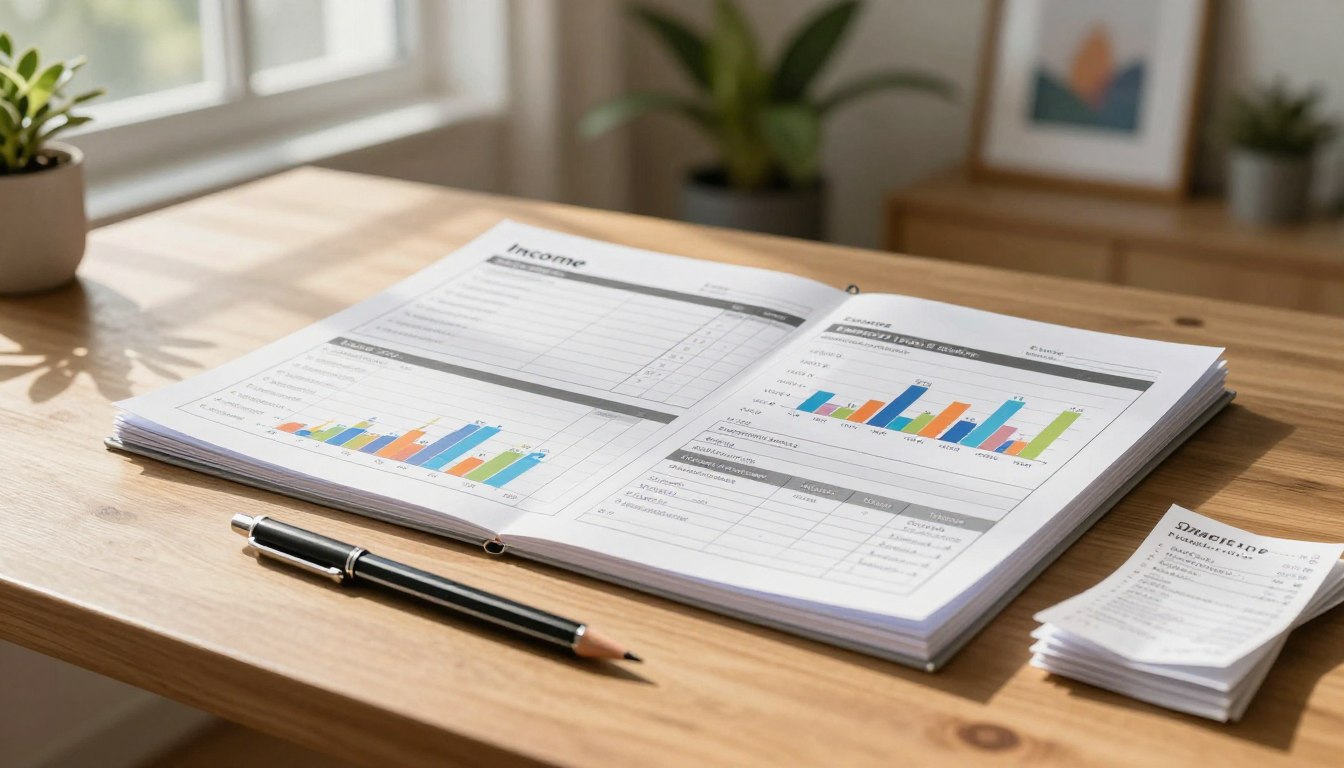
Managing money often feels like a chore, but it does not have to be stressful. Using a reliable household budget worksheet helps you gain control over your finances with ease.
This monthly budget worksheet acts as a clear roadmap for your earnings and spending. By listing your income and organizing costs, you turn financial chaos into simple order.
Think of this tool as your personal household budget planner. It serves as a simple monthly expense tracker to ensure you stay on top of every bill. You will find that reviewing your results becomes an empowering habit for your financial future.
Key Takeaways
- Gain total clarity on your monthly income and spending habits.
- Organize your bills to avoid missing important payment deadlines.
- Use a structured plan to reach your long-term savings goals.
- Reduce financial stress by making money management approachable.
- Review your progress regularly to adjust your spending patterns.
Start Building a Household Budget Worksheet
Building a household budget worksheet is the first step toward taking control of your finances. By creating a clear picture of your money, you can make informed decisions that support your long-term goals. This process does not have to be complicated; it simply requires a bit of organization and honesty about your current habits.
List Every Source of Monthly Household Income
To begin, you must identify exactly how much money enters your home each month. Start by listing your primary salary or wages after taxes, as this is your most reliable household income. Do not forget to include secondary sources like freelance work, side hustles, or interest from savings accounts.
It is essential to use your net income rather than your gross pay for these calculations. This ensures that your budget reflects the actual cash available for your daily needs and savings goals.
Choose Budget Categories That Match Your Home
Once you know your total income, you can start grouping your spending into logical budget categories. These categories should reflect your unique lifestyle and household routines. Whether you prefer broad groups like “Housing” or specific ones like “Grocery Delivery,” the key is to keep them simple enough to track easily.
Separate Fixed Bills From Flexible Spending
Organizing your costs into two main groups will help you see where your money goes. Fixed expenses are those predictable costs that stay the same every month, such as your mortgage, rent, or insurance premiums. These are the non-negotiable pillars of your financial plan.
In contrast, variable expenses include costs that change based on your choices, such as dining out, entertainment, or utility bills. Tracking these flexible costs is often where you will find the most room to save money.
Include Irregular and Annual Expenses
Many people struggle because they forget about costs that do not happen every month. Expenses like car registration, holiday gifts, or annual subscriptions can derail your progress if you are not prepared. To manage these, calculate the total annual cost and divide it by twelve to create a monthly savings target.
By setting aside a small amount each month, you turn these unpredictable costs into manageable fixed expenses. This proactive approach prevents stress and keeps your budget balanced throughout the entire year.
Use a Household Budget Worksheet to Track Monthly Expenses
A well-maintained budget worksheet acts as the roadmap for your household’s financial journey. By keeping a close eye on your money, you transform abstract goals into tangible results. This process helps you see exactly where your hard-earned income is going every single month.

Record Planned and Actual Spending
The core of effective tracking lies in comparing your planned spending against your real-world transactions. When you set a budget, you create a target for your finances. Recording your actual costs allows you to see if you are staying on track or if you need to adjust your habits.
“Budgeting is not about restricting your freedom; it is about giving yourself the freedom to spend on what truly matters.”
Organize Bills by Due Date and Payment Method
Staying organized prevents late fees and unnecessary stress. You should list every obligation, including recurring bills, to ensure you never miss a deadline. Categorizing these by their due date and preferred payment method creates a clear schedule for your monthly cash flow.
Track Rent, Utilities, Insurance, and Other Recurring Bills
Fixed costs like rent and insurance are predictable, but they still require careful monitoring. You must also account for annual expenses, such as car registration or property taxes, by setting aside a small portion each month. This prevents these large, infrequent costs from surprising your bank account.
Monitor Groceries, Transportation, Dining, and Personal Purchases
Variable costs often fluctuate, making them the most important items to track daily. Whether you are buying groceries or paying for gas, logging these irregular expenses helps you identify where you might be overspending. Keeping these records updated allows you to make quick, informed decisions about your lifestyle choices.
Update the Worksheet Consistently Throughout the Month
Waiting until the end of the month to log your spending often leads to forgotten transactions. Consistency is key to maintaining an accurate picture of your financial health. Try to set aside five minutes each week to update your entries so your data remains useful and reliable.
| Expense Category | Frequency | Payment Method | Priority |
|---|---|---|---|
| Rent/Mortgage | Monthly | Bank Transfer | High |
| Utilities | Monthly | Auto-Pay | High |
| Groceries | Weekly | Debit Card | Medium |
| Annual Insurance | Yearly | Credit Card | High |
Use Your Monthly Results to Make Smarter Money Choices
Transforming your raw data into smarter money choices starts with a clear look at your monthly results. By reviewing the information you have gathered, you can move from simply recording numbers to actively managing your financial future.

Compare Your Budget With Your Actual Expenses
The most effective way to improve your financial health is to look at your actual spending against your original plan. When you see where your money went, you can identify gaps between your intentions and your reality.
Use your bill payment tracker to ensure every obligation was met on time. This comparison helps you see if you are overestimating your income or underestimating your daily costs.
Find Spending Patterns and Categories That Need Attention
Look for recurring trends in your data that might be draining your resources. You may notice that certain categories, such as dining out or subscription services, consistently exceed your planned limits.
Identifying these patterns allows you to make informed decisions about where to cut back. Small changes in these specific areas often lead to significant improvements in your overall monthly balance.
Set Savings Goals That Fit Your Household Priorities
Once you have a handle on your spending, you can dedicate your remaining funds to meaningful savings goals. Prioritizing these goals ensures that your money works for you rather than just disappearing into daily costs.
Build an Emergency Fund
An emergency fund is your primary safety net against life’s unexpected surprises. Aim to set aside a small portion of your income each month until you have enough to cover three to six months of essential living expenses.
Plan for Holidays, Repairs, and Other Large Expenses
Anticipating large costs prevents the stress of last-minute financial strain. By setting aside money for holiday gifts, home repairs, or car maintenance, you keep your budget stable throughout the year.
Adjust the Next Month’s Budget Without Losing Flexibility
Your budget should be a living document that adapts to your life. If you find that a category is consistently too tight, do not be afraid to adjust your limits for the following month.
The goal is to create a sustainable system that you can actually follow. Avoid making your rules so strict that they become impossible to maintain, as flexibility is the key to long-term financial success.
Conclusion
Managing your money becomes a simple habit when you view your income and expenses as one complete picture. A consistent family budget provides the clarity needed to make better choices every single day.
Reviewing your monthly data helps you spot hidden spending patterns that might drain your bank account. This insight allows you to adjust your habits before small costs become big problems.
A regular budget comparison shows exactly where your money goes versus where you want it to go. This practice keeps your household on track to meet important financial goals like saving for a home or paying off debt.
Tools like Microsoft Excel or Google Sheets make this process easy to maintain over time. You gain control over your future by staying active with your numbers.
Start your tracking process today to see how small changes lead to lasting security. Your path to better money management begins with the very next entry you make.