

Did you know that the average American spends nearly 90% of their time inside their own home? This large number means our living spaces shape our life more than almost any other factor. Starting a journey toward household health planning ensures your family thrives in a safe, vibrant environment.
Creating a better space for your loved ones starts with small, intentional changes to your daily routine. You can foster an atmosphere that promotes happiness and physical strength by simply organizing your living habits. Every positive choice you make today builds a stronger foundation for tomorrow’s successes.
This guide walks you through essential steps to optimize your home and boost your family’s overall wellness. From checking your current status to refining your surroundings, we cover proven strategies for lasting results.
Key Takeaways
- Evaluate your current family wellness status and daily habits.
- Identify and remove common indoor environmental risks.
- Set up a consistent daily wellness schedule for everyone.
- Improve indoor air quality and maximize natural light.
- Prepare nutritious meals using a simple weekly system.
- Encourage open talks about emotional well-being and stress.
Understanding Your Family’s Current Health Status
To plan effectively for a healthier household, it’s essential to first understand the current health landscape of your family. This foundational step involves taking a comprehensive look at the health and wellness of each family member.
Conduct a Household Health Assessment
Conducting a household health assessment is a critical step in understanding your family’s health status. This involves gathering information about the health habits, lifestyle choices, and health conditions of each family member. Consider factors such as diet, physical activity levels, sleep patterns, and any existing health issues.
Key areas to assess include:
- Dietary habits and nutrition
- Levels of physical activity
- Sleep quality and duration
- Presence of any chronic health conditions
- Mental health and stress levels
Identify Areas That Need Improvement
Once you have a clear picture of your family’s health status, the next step is to identify areas that need improvement. This could involve recognizing patterns or habits that are detrimental to health, such as excessive screen time, unhealthy eating habits, or lack of physical activity.
For example:
| Area of Concern | Current Status | Potential Improvement |
|---|---|---|
| Dietary Habits | High consumption of processed foods | Increase intake of fruits and vegetables |
| Physical Activity | Less than 30 minutes of activity per day | Aim for at least 60 minutes of moderate activity daily |
| Sleep Patterns | Inconsistent bedtime routine | Establish a consistent sleep schedule |
Consider Each Family Member’s Unique Needs
It’s also crucial to consider the unique health needs and circumstances of each family member. Different ages, health conditions, and personal preferences can all impact what constitutes a healthy lifestyle for an individual.
By understanding and addressing these unique needs, you can create a more effective and inclusive plan for improving your family’s overall health and achieving your family health goals.
Setting Realistic Family Health Goals
Establishing clear and achievable health goals is the foundation for a successful home wellness management plan. By doing so, you create a roadmap that guides your family’s journey towards better health.
To make these goals effective, it’s essential to follow a structured approach. This involves several key steps that ensure your objectives are not only clear but also attainable and relevant to your family’s needs.
Create SMART Health Objectives
Creating SMART (Specific, Measurable, Achievable, Relevant, Time-bound) health objectives is a proven strategy for success. This means that instead of having a vague goal like “be healthier,” you define specific targets, such as “reduce sugar intake to less than 20 grams per day within the next three months.” This clarity helps in staying focused and motivated.
For instance, a SMART objective for increasing physical activity could be “to have each family member walk for at least 30 minutes, three times a week, for the next two months.” This objective is specific, measurable, achievable based on current activity levels, relevant to improving health, and time-bound.
Involve Every Family Member in Goal Setting
Involving every family member in the goal-setting process is vital. It ensures that everyone is on board and committed to the objectives. This can be done through family meetings where each member gets to share their thoughts and suggestions on what they believe are achievable and important health goals.
By doing so, you not only foster a sense of responsibility among family members but also ensure that the goals set are considerate of everyone’s needs and preferences.
Prioritize Goals Based on Impact
Once you have a list of potential health goals, it’s crucial to prioritize them based on their potential impact on your family’s health. For example, if several family members have expressed a desire to improve their diet and increase physical activity, you might prioritize dietary changes if current eating habits are significantly impacting health.
Prioritizing goals helps in focusing efforts on the most critical areas first, thereby maximizing the effectiveness of your home wellness management plan.
Building a Nutritious Meal Planning System
To promote healthy living, establishing a nutritious meal planning system is essential. This system serves as the backbone of a healthy household, ensuring that your family consumes balanced and nutritious meals regularly.
Stock Your Kitchen with Healthy Staples
Stocking your kitchen with healthy staples is the first step towards a nutritious meal planning system. This includes whole grains, lean proteins, a variety of fruits and vegetables, and healthy fats. Having these staples on hand makes it easier to prepare healthy meals and avoid last-minute, less healthy choices.
Healthy staples to consider:
- Whole grains like brown rice and quinoa
- Lean proteins such as chicken, fish, and beans
- A variety of colorful fruits and vegetables
- Nuts and seeds for healthy fats
Plan Weekly Menus Together
Planning weekly menus together as a family not only ensures that meals are healthy and balanced but also fosters a sense of teamwork and anticipation for mealtime. Involve every family member in the planning process to cater to different tastes and dietary needs.
Tips for effective menu planning:
- Consider your family’s schedule for the week
- Plan around seasonal produce for freshness and variety
- Make a grocery list based on your menu plan
Establish Regular Family Meal Times
Establishing regular family meal times is crucial for bonding and ensuring that everyone has a chance to share their day’s experiences. Regular meals together can improve communication and strengthen family bonds.
Benefits of Eating Together
Eating together as a family has numerous benefits, including improved nutrition, better communication, and stronger family relationships. It provides an opportunity to model healthy eating habits for children and foster a positive relationship with food.
| Benefits | Description |
|---|---|
| Improved Nutrition | Eating a balanced diet together as a family encourages healthy eating habits. |
| Better Communication | Regular family meals provide a chance to share experiences and improve communication. |
| Stronger Family Bonds | Sharing meals strengthens family relationships and creates lasting memories. |
Making Mealtime Enjoyable
Making mealtime enjoyable involves creating a welcoming atmosphere and involving everyone in meal preparation. This can include setting the table nicely, playing soft background music, or having a family member help with cooking.
By implementing these strategies, you can create a nutritious meal planning system that not only promotes healthy living but also brings your family closer together. This approach is a key component of wellness planning for families and supports overall healthy living strategies.
Creating an Active Lifestyle for the Whole Family
Embracing an active lifestyle is a crucial step towards achieving holistic household health for your family. Regular physical activity not only improves physical health but also boosts mental well-being and strengthens family bonds.
To make physical activity a integral part of your family’s daily routine, it’s essential to adopt a multi-faceted approach that caters to different ages and interests.
Scheduling Regular Physical Activities
Plan a weekly schedule that includes a mix of physical activities that everyone can enjoy together. This could be as simple as a morning jog, a family bike ride, or a visit to the local park.
Consistency is key; try to allocate at least 3-4 days a week for physical activities, ensuring that there’s something for everyone.
| Day | Activity | Duration |
|---|---|---|
| Monday | Family Bike Ride | 1 hour |
| Wednesday | Yoga Night | 45 minutes |
| Friday | Outdoor Games | 2 hours |
Reducing Screen Time and Sedentary Behaviors
Limiting screen time and encouraging less sedentary behaviors are vital for maintaining an active lifestyle. Set a good example by reducing your own screen time and engaging in physical activities with your family.
Establish screen-free zones in your home, such as the dinner table or bedrooms, to promote more interactive and physical play.
Making Exercise Fun and Varied
To keep everyone engaged, it’s crucial to make exercise fun and varied. This can be achieved by incorporating a range of indoor and outdoor activities into your routine.
Indoor Activity Ideas
- Dance parties
- Indoor obstacle courses
- Yoga or Pilates sessions
- Home workout videos
Outdoor Family Activities
Engaging in outdoor activities not only provides exercise but also an opportunity to spend quality time together as a family.
- Hiking or nature walks
- Playing sports together (e.g., soccer, basketball)
- Gardening or yard work
- Visiting local parks or playgrounds

By incorporating these activities into your daily routine and making physical activity a family affair, you’ll be well on your way to achieving a healthier, more active lifestyle for the whole family.
Establishing Household Health Planning Routines
To achieve a healthier household, it’s vital to establish routines that promote family wellness. By incorporating consistent habits and practices into your daily life, you can create a culture of health and well-being that benefits every family member.
A key aspect of household health planning is establishing routines that are both practical and sustainable. This involves making healthy habits a part of your daily routine, so they become second nature to everyone in the household.
Design a Consistent Sleep Schedule
A consistent sleep schedule is essential for regulating the body’s internal clock and improving overall health. To achieve this, set a regular bedtime and wake-up time for every family member, and stick to it, even on weekends.
Establishing a bedtime routine can also help signal to the body that it’s time to sleep. This can include activities like reading, meditation, or a warm bath.
Implement Daily Wellness Habits
Daily wellness habits can significantly enhance mental and emotional well-being. Consider incorporating activities like meditation, journaling, or simply spending time in nature into your daily routine.
These habits can help reduce stress, improve mood, and increase overall sense of well-being. By making them a part of your daily routine, you can create a positive impact on your family’s health.
Create Health Tracking Systems
Creating health tracking systems allows you to monitor progress, identify areas for improvement, and make informed decisions about your family’s health. This can include tracking sleep patterns, physical activity, or nutrition.
By using a health tracking system, you can gain valuable insights into your family’s health habits and make data-driven decisions to improve your overall well-being.
Optimizing Your Home Environment for Wellness
Optimizing your home for wellness can have a profound effect on your family’s overall health. A well-designed home environment can reduce health risks, improve mental well-being, and create a sanctuary that promotes happiness and well-being.
Improve Indoor Air Quality
One of the critical aspects of home health optimization is improving indoor air quality. Using air purifiers and ensuring good ventilation can significantly reduce the risk of respiratory problems and other health issues. Regularly checking and maintaining your home’s HVAC system is also essential to prevent the circulation of polluted air.
Additionally, incorporating plants known for their air-purifying qualities, such as spider plants or peace lilies, can further enhance indoor air quality. This natural and aesthetically pleasing solution can be a great addition to your home.
Reduce Household Toxins and Chemicals
Reducing exposure to household toxins and chemicals is vital for creating a healthier home environment. Choosing eco-friendly cleaning products and personal care items can minimize the risk of chemical exposure. Always read labels and opt for products with natural ingredients.
Furthermore, being mindful of the materials used in your home decor and furnishings can also help. For example, choosing furniture made from natural, sustainably sourced materials can reduce the presence of harmful chemicals in your home.
Organize Spaces to Reduce Stress
Organizing your living spaces effectively can significantly reduce stress and improve mental well-being. This involves decluttering high-traffic areas and creating calm zones where family members can relax and unwind.
Declutter High-Traffic Areas
Decluttering high-traffic areas is essential for creating a sense of calm and reducing stress. Regularly sorting through clutter and organizing belongings can make a significant difference. Consider implementing a minimalist approach to maintaining these areas.
Create Calm Zones
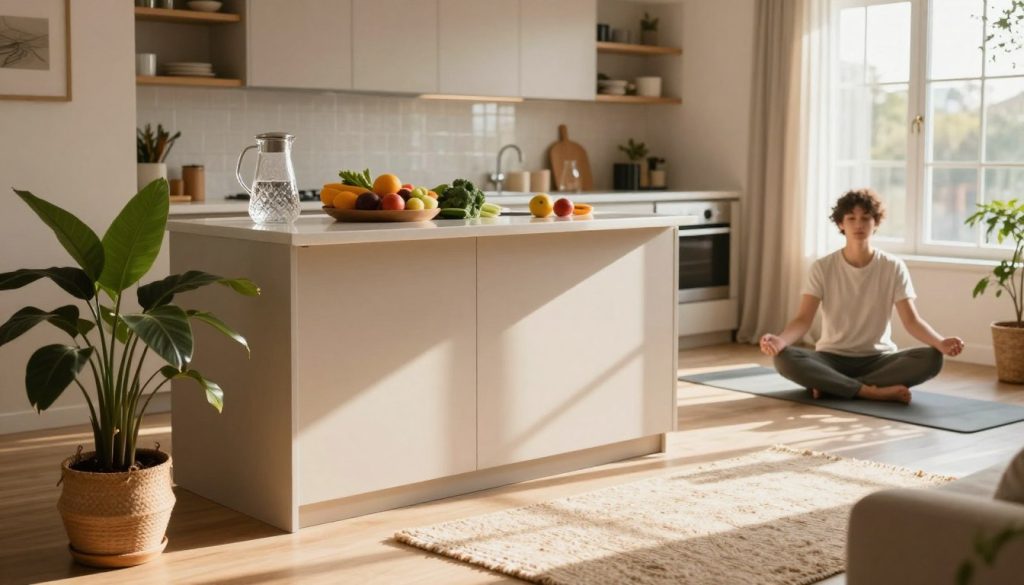
Creating calm zones within your home provides family members with spaces to relax and recharge. This could be a reading nook, a meditation area, or simply a quiet corner with comfortable seating. The key is to create an environment that promotes relaxation and serenity.
Supporting Mental and Emotional Health at Home
Nurturing mental and emotional health at home is essential for fostering a positive family environment. A household that prioritizes mental health creates a supportive space where every member can thrive.
Foster Open Communication
Fostering open communication is a critical step in supporting mental and emotional health. When family members feel heard and understood, it builds trust and strengthens relationships. Regular family meetings can provide a structured opportunity for everyone to share their thoughts and feelings.
Practice Stress Management Techniques Together
Practicing stress management techniques together as a family can provide healthy coping mechanisms for everyone. Techniques such as mindfulness, deep breathing exercises, and meditation can be adapted for all ages. By practicing these techniques together, families can support each other in managing stress.
Build Strong Family Connections
Building strong family connections is vital for emotional support and overall well-being. This can be achieved through various activities and by creating support systems within the family.
Family Bonding Activities
Engaging in family bonding activities can help create lasting memories and strengthen emotional bonds. Examples include:
- Outdoor activities like hiking or picnics
- Game nights or cooking together
- Volunteering as a family
Creating Support Systems
Creating support systems within the family ensures that every member has someone to turn to in times of need. This can involve:
- Identifying a trusted family member or friend for support
- Encouraging open dialogue about feelings and challenges
- Developing a plan for coping with difficult situations
| Benefit | Description | Impact |
|---|---|---|
| Improved Relationships | Stronger, more supportive relationships among family members | Enhanced family harmony |
| Better Stress Management | Shared stress management techniques and support | Reduced overall stress levels |
| Positive Home Environment | A nurturing environment that supports mental and emotional health | Increased overall well-being |
By focusing on mental and emotional health, families can create a supportive and nurturing environment that benefits everyone.
Conclusion
To create a healthier household, it’s essential to adopt a comprehensive approach that includes understanding your family’s health status, setting achievable goals, and implementing effective home wellness management strategies.
By applying the tips outlined in this guide, you can create a supportive environment that fosters overall well-being. Effective home wellness management involves making conscious decisions about nutrition, physical activity, and stress management.
As you start implementing these changes, you’ll notice a positive impact on your family’s health and happiness. Every small step counts, and with persistence and dedication, you can achieve a healthier, happier home.